As technology continues to evolve, smart home devices are becoming an integral part of our daily lives. Many people are excited about the convenience and efficiency these devices promise, but misconceptions abound. Understanding the reality behind smart home technology is crucial for making informed decisions about integrating these devices into your home.
Myth: Smart Home Devices Are Only for Tech Savvy Users
One common misconception is that smart home devices are only suitable for those with advanced technical skills. This myth can deter many potential users from exploring the benefits of smart technology. In reality, most smart home devices are designed with user-friendliness in mind, featuring intuitive interfaces and straightforward setup processes that anyone can manage.
Manufacturers have recognized the importance of accessibility, creating devices that can be controlled via simple smartphone apps or voice commands. This means that even those who are not particularly tech-savvy can enjoy the advantages of smart home technology without feeling overwhelmed. The truth is, smart home devices are for everyone, regardless of their technical background.
Myth: Smart Home Devices Are Insecure and Prone to Hacking
Another prevalent myth is that smart home devices are inherently insecure and vulnerable to hacking. While it is true that any internet-connected device can be targeted by cybercriminals, this does not mean that all smart home devices are unsafe. Manufacturers are continuously improving security measures, implementing encryption and regular software updates to protect users.
Moreover, users can take proactive steps to enhance their device security, such as changing default passwords, enabling two-factor authentication, and keeping their devices updated. By following best practices for cybersecurity, users can significantly reduce the risk of unauthorized access. The truth is, with proper precautions, smart home devices can be just as secure as traditional home technology.
Myth: Smart Home Devices Are Too Expensive
Many people believe that smart home devices come with a hefty price tag, making them unaffordable for the average consumer. While it is true that some high-end devices can be costly, there is a wide range of options available at various price points. From budget-friendly smart bulbs to more advanced security systems, there is something for everyone.
Additionally, the long-term savings associated with smart home devices can offset the initial investment. For example, smart thermostats can help reduce energy bills by optimizing heating and cooling schedules. When considering the overall value, smart home devices can be a cost-effective solution for many households. The truth is, smart home technology is becoming increasingly accessible, with options to fit any budget.
Myth: Smart Home Devices Are Complicated to Use
Another misconception is that smart home devices are overly complicated and require extensive technical knowledge to operate. This myth can discourage potential users from embracing the technology. In reality, most smart home devices are designed to be user-friendly, with straightforward instructions and easy-to-navigate apps.
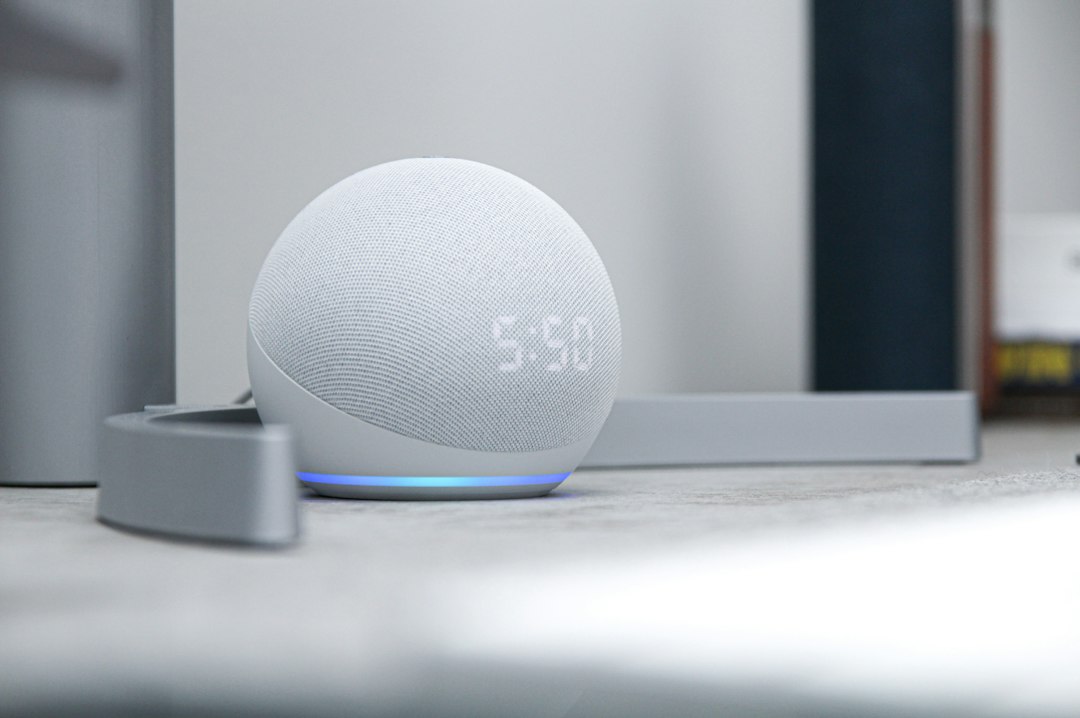
Many devices also offer voice control features, allowing users to operate them hands-free. This simplicity makes it easy for anyone to integrate smart technology into their daily routines without feeling overwhelmed. The truth is, smart home devices are designed with the user experience in mind, making them accessible to all.
The Future of Smart Home Devices
As we look ahead, the future of smart home devices appears bright. With advancements in artificial intelligence and machine learning, these devices will become even more intuitive and responsive to user needs. Imagine a home that learns your preferences and adjusts settings automatically, creating a seamless living experience.
Moreover, as more consumers adopt smart technology, we can expect to see increased interoperability between devices from different manufacturers. This will allow for a more cohesive smart home ecosystem, enhancing convenience and functionality. The future of smart home devices is not just about individual gadgets; it’s about creating a connected environment that enhances our quality of life.